

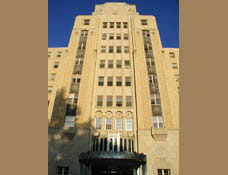
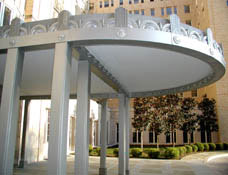
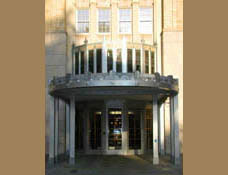
Starting in 1925, art deco was a movement that influenced architecture, fashion, art, and furniture in the United States. From 1925 to 1940, art deco houses were embellished with hard-edged, low-relief designs; geometric shapes, like chevrons and ziggurats; and stylized floral and sunrise patterns.
If you’re remodeling your Maryland, Washington, DC, or Northern Virginia home and want to capture the art deco style, Wentworth is ready to help. Our unique collaboration between architects, designers, and craftsmen means we can create the home you deserve in the style you want. Update your home to meet your modern lifestyle without sacrificing the vintage look and style with Wentworth!
View our portfolio to learn more about what we can do for your home!
Characteristics Overview
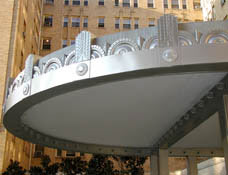
In classic art deco, architects often started with plain, blocky buildings and changed the façade to meet the style. The rectangular forms were arranged geometrically. Curved, ornamental elements were added to soften the shape and add interest. The designers created monolithic appearances with applied decorative motifs.
Art deco design was entirely modern. Unlike other movements based on a revivalist perspective, art deco designers and architects wanted to create something new and unseen.
Materials
A key feature of art deco architecture is sleekness along with decorative embellishments. Builders achieved this look by using materials like:
- Stucco
- Concrete
- Smooth-faced stone
- Terra cotta
- Steel
- Aluminum
- Glass block
- Vitrolite (decorative opaque plate glass)
These materials helped achieve clean lines and modern appeal.
Roof
The art deco movement primarily used flat roofs with details accentuating corners and entrances. Details like parapets, spires, chimneys, or tower-like constructs were added to enhance the signature geometric lines broken up by visual details. [/accordion-item]
Windows
In art deco design, the windows are intentionally made to contrast the surrounding walls by blending the solid and void forms. Either square or rounded, the windows were often continuous bands of glass to maintain the streamlined appearance of the building. Many designers added decorative embossed spandrel panels below the windows to create detail and interest in the building’s facade.
Entrances
Doorways presented an opportunity for designers to add to the art deco style. They were often embellished with reeding (a convex decoration) or fluting (a concave decoration). The doorways are sometimes surrounded by elaborate pilasters and pediments as well.
The designers’ aesthetic vision, project guidelines, and budget determined the extent and quality of the decorative motifs used in art deco entrances.
Art Deco Remodeling Services
If you want to update your art deco home or create an art deco feel for your existing home, we’re here for you. We can incorporate your favorite elements into any room in your Washington, DC, home. Let us help you update your art deco home while maintaining its style and glory with our remodeling services, including:
- Additions: Wanting more space, from an expanded kitchen to a new sunroom, can include classic art deco style. We have experienced designers, architects, and craftsmen to create a unique, beautiful living space in the style you crave.
- Interior Configurations: If the layout of your home doesn’t suit your lifestyle, we can help you create the flow you need. Reconfiguring your floor plan can help you with functionality, aesthetics, and resale value. We can also add art deco details like geometric florals or sunbursts to the look.
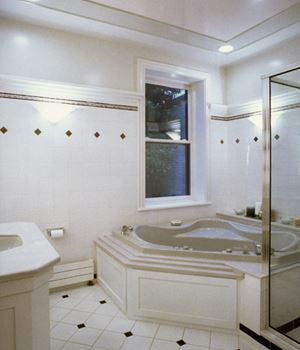
- Detailing: Adding details to an existing home may sound daunting, but Wentworth can help you. We can add elements, such as custom door handles, octagonal bathroom tiles, or window enhancements that create the art deco style you love.
- Design Services: Lean on the expertise of the Wentworth design team to create the art deco look you want. Our interior designers can make your dream home a reality, from the primary bedroom to the additional living spaces. Each area will be thoughtfully curated to meet the art deco aesthetic.
- Facade Enhancements: Bring your love of art deco to the outside of your home. We can help you add geometric ornamentation, curved walls, and low-relief decorations around the windows and roof edge for an art deco-inspired look. In addition to adding your personal style, the enhancements can add curb appeal.
Schedule a Consultation With Wentworth
At Wentworth, we’re dedicated to the highest quality design and craftsmanship. We understand the need for Washington, DC, homeowners to have beautiful, aesthetically pleasing homes in a style that honors the rich history and embraces our modern lifestyle.
The expert team at Wentworth can help you do both. We will seamlessly highlight your home’s stunning art deco details while adding state-of-the-art comforts.
To schedule your consultation with Wentworth, contact us today!
FAQs